Home is like a second skin. Adrienne Gelert is creating ecological restoration in Ukraine that heals trauma


Вибір читачів

.jpg)
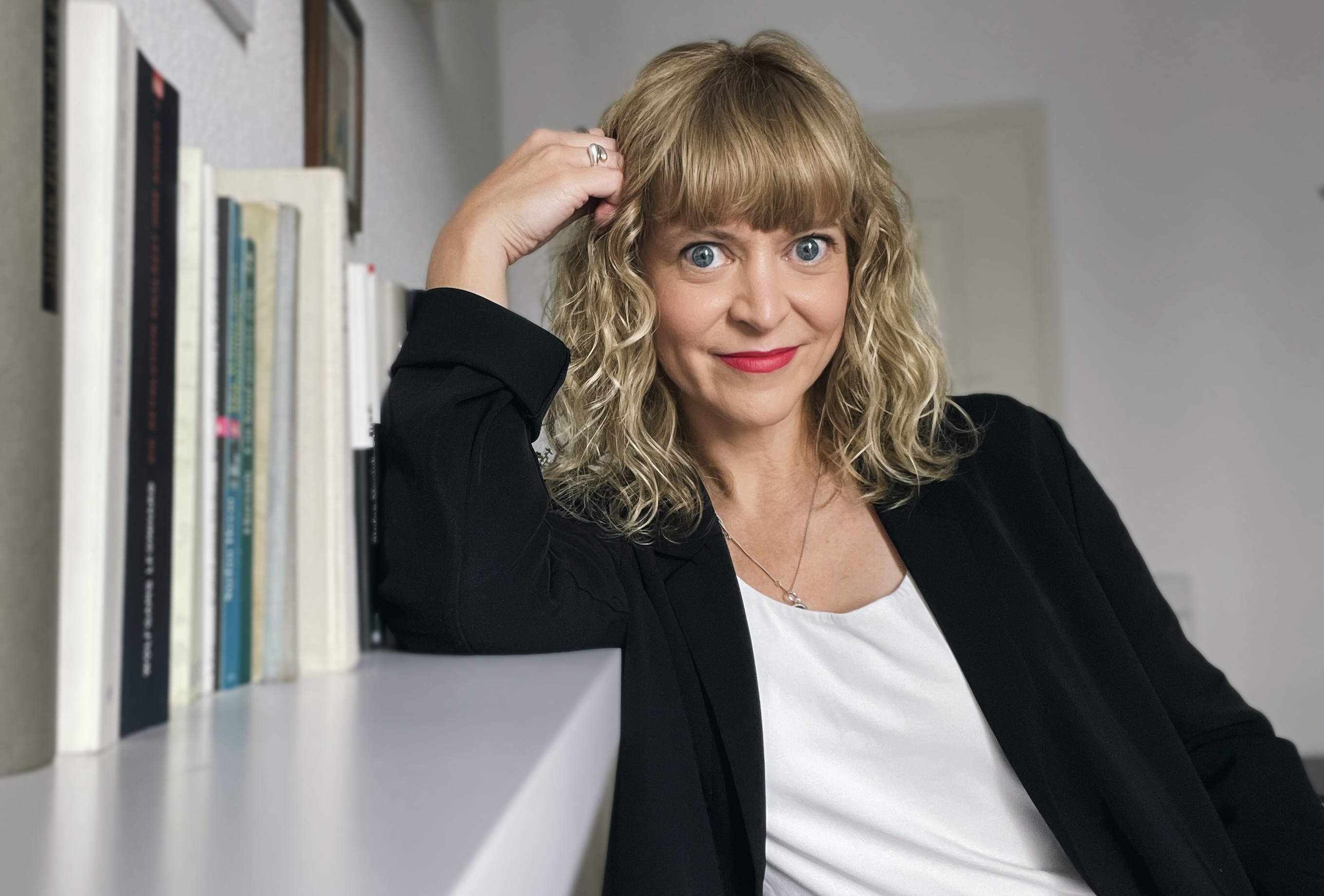
German ecologist, curator, and author of the Hope Home / Nadia project, Adrienne Goehler, is implementing a unique approach to post-war urban reconstruction. She proposes using natural materials, women's initiatives, community involvement, and restoration through action, rather than concrete and quick fixes.
Adrienne Goehler is a well-known figure in Germany. Her professional career has long been linked to art. For thirteen years, she traveled with an exhibition on sustainable development, ecology, resources, and “the big questions of life.” But 2023 became a point of no return.
“I felt that it was no longer the time to show what I could do. It was time to do it. Art exhibitions are no longer what people need today.”
Alongside the art world, there are wars, earthquakes in Turkey and Syria, and a sense of global instability. Adrienne could no longer stay in galleries. Action was needed. That's when she learned about the Ukrainian recovery program.
Geller began to explore opportunities for cooperation. But the reality turned out to be absurd:
“They said: we can find you partners, but we don't have any money. I replied: I don't need partners, I already have a team. I need funding.”
When it became clear that there would be no immediate support, a new idea emerged—to start with online workshops, bringing together German and Ukrainian experts who focus on production using natural building materials (straw, clay, hemp, mycelium) and on trauma therapy and the psychology of war.
After all, as Geler emphasizes, psychology and practical activity are inseparable:
“When a person works with their hands, it is the best therapy for trauma. Losing your home is like losing your ‘third skin’. To restore this skin with your own hands means to regain your strength.”
Ukraine as a place where “it really matters”
The team came up with a slogan: “going where it really matters.” That's how Adrienne ended up in the Mykolaiv region, together with Ukrainian architect and graduate student Sofia Galats, now a co-curator of the project.
There they met the community of Pershomaiskyi — exhausted by war, but eager for action. And then something happened that determined the entire future path.
"We asked the women if they knew about building with straw, clay, and wood. And suddenly, these tired, depressed people became radiant. 'Yes! My grandfather built like that! My neighbor knows how! I want to learn!'"
One of the most striking experiences was the workshops with local teenagers — those whom the translator would call “hooligans.”
On the first day, they said, “Concrete is modern. Why do we need this old crap?” After three days of workshops, they said, “My grandmother has a house like this. I can help repair it.” And then they suggested, “Let’s open a small workshop for making straw or hemp blocks.”
This is a key part of the mission:
“Our goal is not just to repair walls. We want to give the community a profession, income, and autonomy. An example that can be replicated in other villages.”
Why is concrete a trap, and why does Ukraine deserve something else?
Geler strongly opposes the mass “concrete reconstruction” that international projects are promoting today:
"Concrete is responsible for 40% of CO₂ emissions. It's absurd: after destruction and suffering, they want to rebuild Ukraine with something that is destructive to the planet. This is unfair and unethical." Instead, the team proposes environmentally friendly materials. For example, Ukraine has historically been one of the largest exporters of hemp and straw in Europe. The project opened the Fungi Lab at KNUBA, a laboratory for researching fungal materials. According to Geler, mycelium can absorb toxic elements, encapsulate concrete debris, and make it safe. It is a revolutionary material.
Although government agencies are still afraid of innovation (“there are not enough experts to evaluate it”), private companies are already knocking on the door.
Recovery as trauma therapy and as a women's issue
Geler does not hide her feminist views:
“49.7% of the population are women. But where are they in decision-making? In negotiations? In reconstruction? It's absurd. We have to say: enough is enough.”
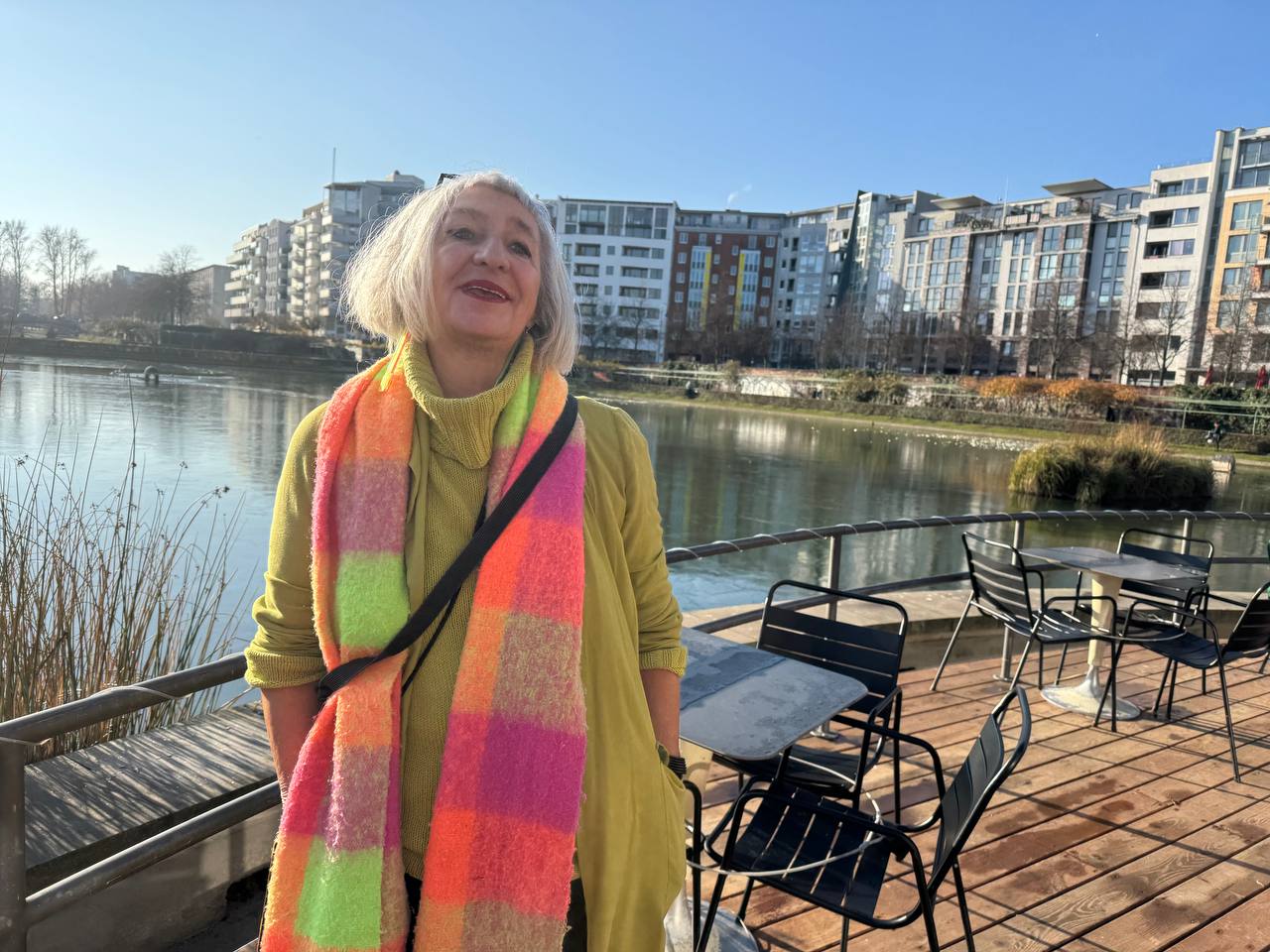
During her travels, Ukrainian women told her about exhaustion, increased domestic violence, loss of home and support networks. That is why Hope Home / Nadia is not only about walls and reconstruction, but also about psychological resilience, manual labor as therapy, and women's leadership. The project could have moved faster, but the German government froze funding after the political crisis.
“I felt like we were new colonizers: we signed a memorandum, made promises, and disappeared. But I'm not ready to leave people behind. We launched a crowdfunding campaign and continued working on our own.”
That is why today Hope Home / Nadia is looking for partners among Ukrainian NGOs, communities, and international foundations.
"The way the world treats you outrages me. But when we build together, it gives us strength. We can not only rebuild Ukraine. We can build a different Ukraine. If we have to rebuild everything, this is a chance to do it right. Not in the style of the 20th century, but in the style of the 21st century. And it is not corporations that should decide, but people."